
 Digital Marketing Agency

Internet marketing has transformed over the past 20 years. Today, companies compete not just for traffic, but for the attention of their target audience, organic traffic, conversion growth, and effective lead generation. Let’s look at how SMM, SEO, PPC, and targeted advertising have changed.

New Rules and Secrets of SMM: How Social Media Marketing Evolved
Previously, it was enough to regularly post content on social networks, use hashtags, and collect likes — these actions ensured high reach. Today, SMM trends have changed — algorithms analyze user behavior and promote content that genuinely drives engagement and holds attention.
Key SMM trends now:
- metrics have shifted from likes to saves, shares, and engagement depth;
- valuable content works better than mass posting;
- it’s not the frequency of posts, but consistency and quality that matter;
- search in Instagram and Facebook depends on keywords, not just hashtags;
- feeds are personalized according to user interests;
- content should spark dialogue and maintain attention.
SEO Trends: New Methods of Website Promotion
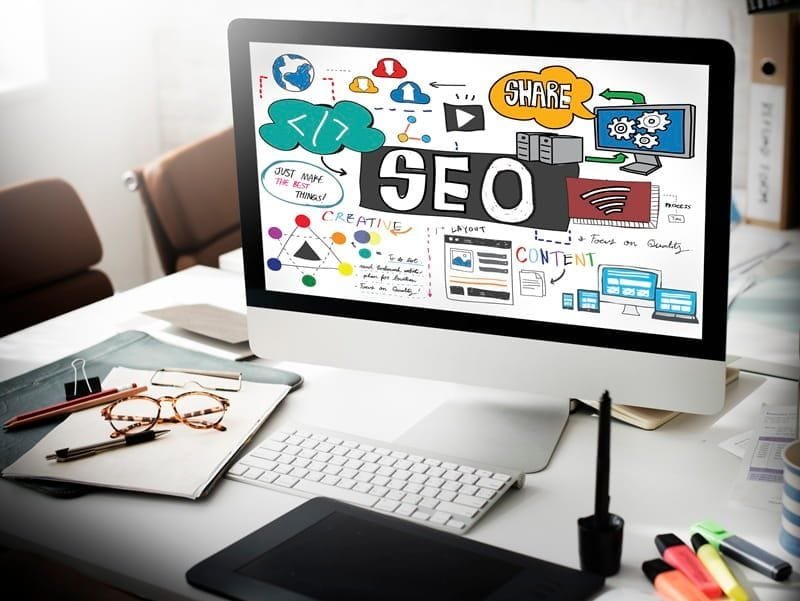
Previously, search engine optimization focused on keywords and links. The main goal was to “appeal” to the search engine bot. Modern SEO considers search intent, user behavior on the site, and content quality.
What has changed in the SEO approach and new website promotion trends:
- keywords are now used naturally, considering semantics and intent;
- content is structured for easy scanning and reading;
- technical optimization includes speed, mobile-friendliness, and Core Web Vitals;
- user experience directly affects ranking;
- AI tools are actively used for analysis and optimization.
Modern Trends in Contextual Advertising
Contextual advertising has evolved from manual management to automation. Previously, a PPC specialist manually set bids, keywords, and audiences. Today, Google Ads automatically optimizes campaigns for conversions and user value. Contextual advertising trends are driven by algorithms and AI.
Modern contextual advertising techniques:
- focus has shifted from keywords to user intent — what the user wants to do: buy, learn, or compare;
- bids are managed through automated channels;
- creative (video and visuals) has become the core of performance and influences results as much as settings;
- hypothesis testing has accelerated due to automation;
- key metrics are conversion and ROI.
The evolution of Google Ads shows that the role of the PPC specialist has changed — now it’s a strategist working with data, creatives, and audiences. Adwords trends include AI-driven bid automation, use of first-party data, and deep analytics for campaign optimization. Google Ads updates have strengthened AI and automation’s impact on ad effectiveness.
Innovations in Targeted Advertising

Targeted advertising has also changed due to algorithms and automation. Previously, advertisers manually selected audiences, interests, and campaign settings in Facebook Ads. Today, the system handles most decisions, analyzes user behavior, and optimizes ads in real time.
Modern Instagram ad setup secrets:
- audience selection is automatic based on data;
- algorithms consider behavioral signals instead of declared interests;
- multiple creatives are tested in one campaign — different images, videos, and copy;
- analytics is deeper: key KPIs — CPA, ROAS, LTV — are now measured for accurate campaign results;
- optimization is based on events (purchases, subscriptions), not just clicks;
- CRM and API integrations accelerate data transfer;
- algorithms evaluate lead quality, not just quantity.
Modern internet marketing is a unified system where SMM, SEO, PPC, and targeted advertising work together. Today’s main digital trends are the growing role of analytics and data, active use of AI, focus on audience behavior, and integration of channels into a single marketing strategy.
Winning companies are those that can build systematic internet marketing, taking all market changes into account. DMark helps implement these approaches in practice. We build a promotion system where every tool works towards a common goal — increasing traffic, conversions, and ROI.